How Technology is Driving Digital Transformation in 2026
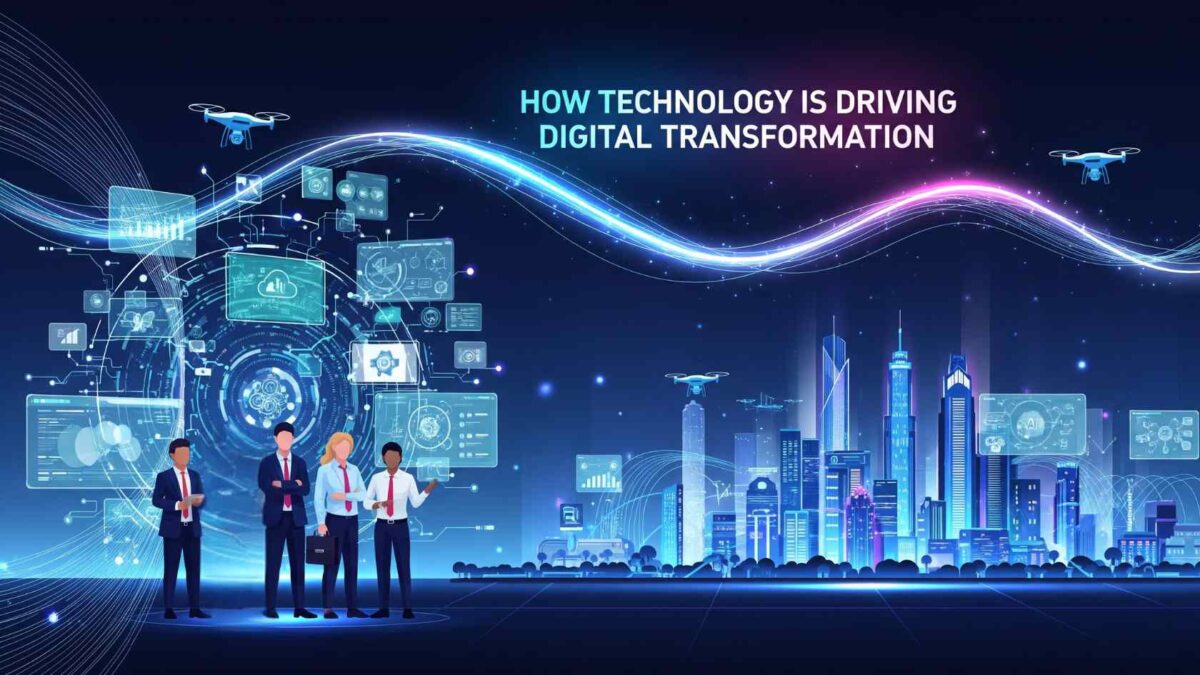
The year 2026 will re-envision how societies, people, and businesses are impacted by technology. Innovation is occurring at lightning speed, and it is the businesses that encourage new trends in technology that will gain a jump on efficiency, competitiveness, and productivity in the marketplace.
Beginning with artificial intelligence and quantum computing through green IT and extended reality, digital transformation is no longer an option—it is a necessity in today’s economy. In this article, we will examine the top five emerging trends in technology for 2026, their uses, and their implications worldwide.
Navigating the 2026 Tech Frontier: The Pillars of Digital Transformation
1. Machine Learning and Artificial Intelligence
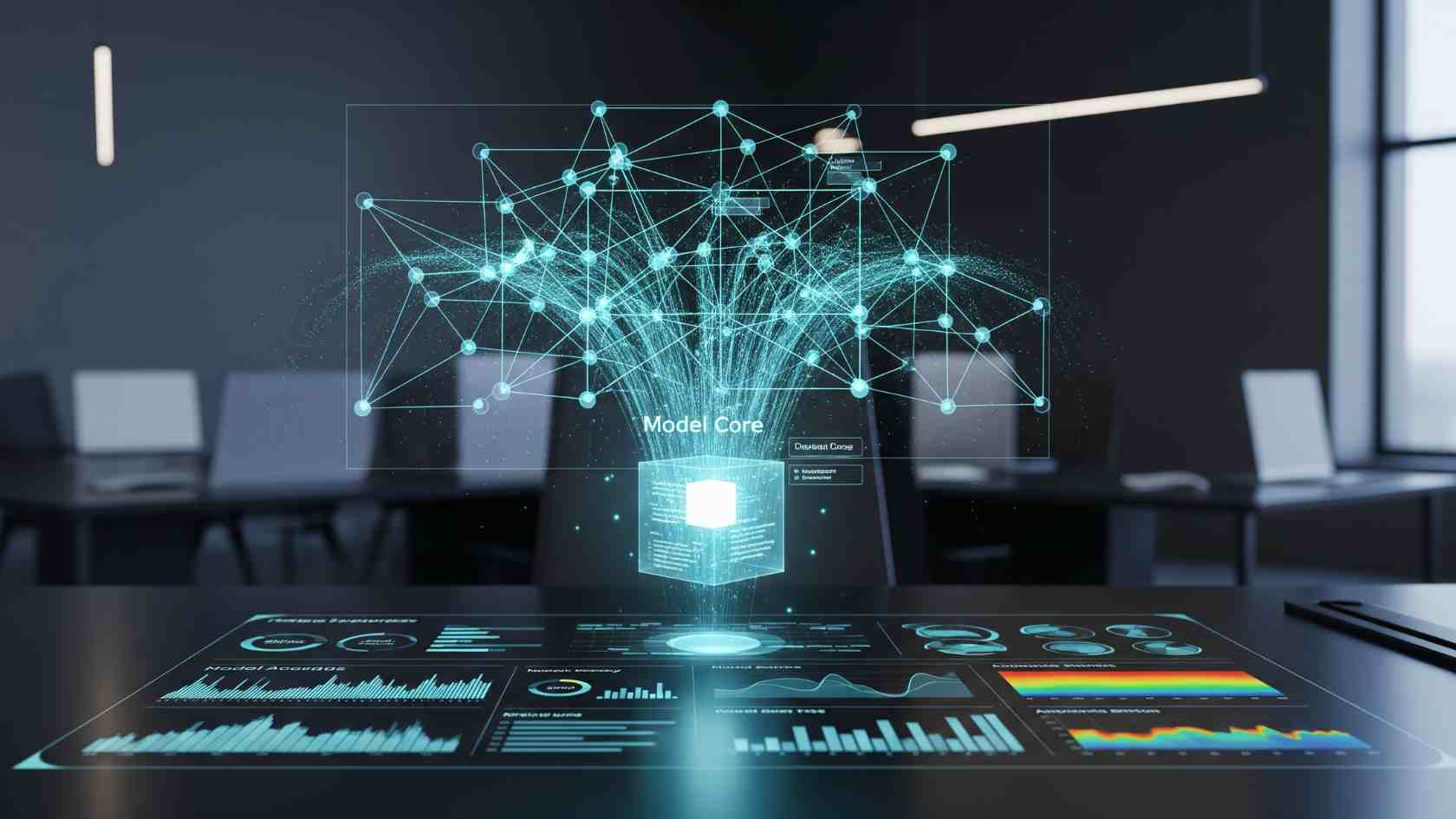
Artificial intelligence (AI) is probably the strongest accelerator next to digital transformation in 2026. Companies are employing AI-powered insights in predicting customer behaviours, improving customer experiences, and simplifying difficult operations.
- AI-powered chatbots are reconceiving consumer support.
- It allows merchants to forecast demand and optimize supply chains.
- With the introduction of artificial intelligence, healthcare gains speed.
- Machine learning improves economic services and fraud detection.
After automation, generative artificial intelligence is today assisting businesses in creating marketing collateral, creative designs, and even software code in minutes—perhaps one of the most disruptive technologies of our time.
2. Cybersecurity and Digital Trust

Cybersecurity risk is increasing in tandem with the growth of the digital environment. The Cybersecurity in today’s year is at the heart of digital transformation.
Companies focus on:
- Cloud-native security solutions are used for running hybrid infrastructure.
- Real-time cyberattack detectors come in the form of artificial-intelligence-based threat-hunting detectors.
- Cryptography serves for confidentiality and authentication purposes.
Trust-building on the internet is no less important than delivering services. Clients demand that corporations keep their information secret, and business organizations that break the law and do so would risk losing their trustworthiness.
3. Sustainable Technology: Green IT
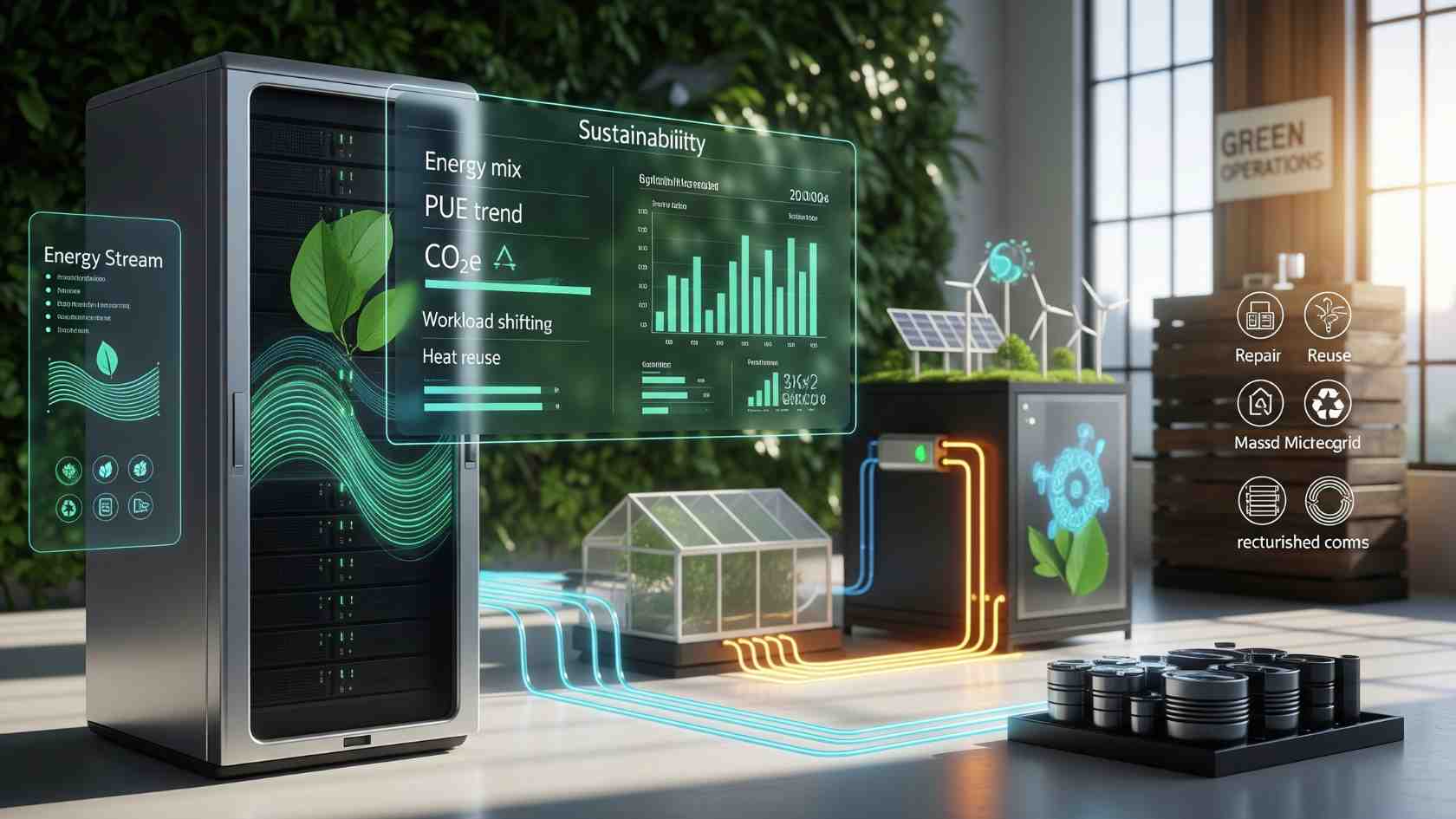
The top tech trend of 2026 is sustainability. There is growing pressure on businesses to reduce their carbon footprint. From data centres powered by renewable energy to energy-efficient devices, green IT is a business necessity.
Previously, sustainability was viewed as a voluntary initiative, but by 2026, it was presented as a competitive edge. Environmentally aware, solution-driven brands comply with regulations and get customer assurance and long-term commitment.
4. 5G Expansion and 6G Research
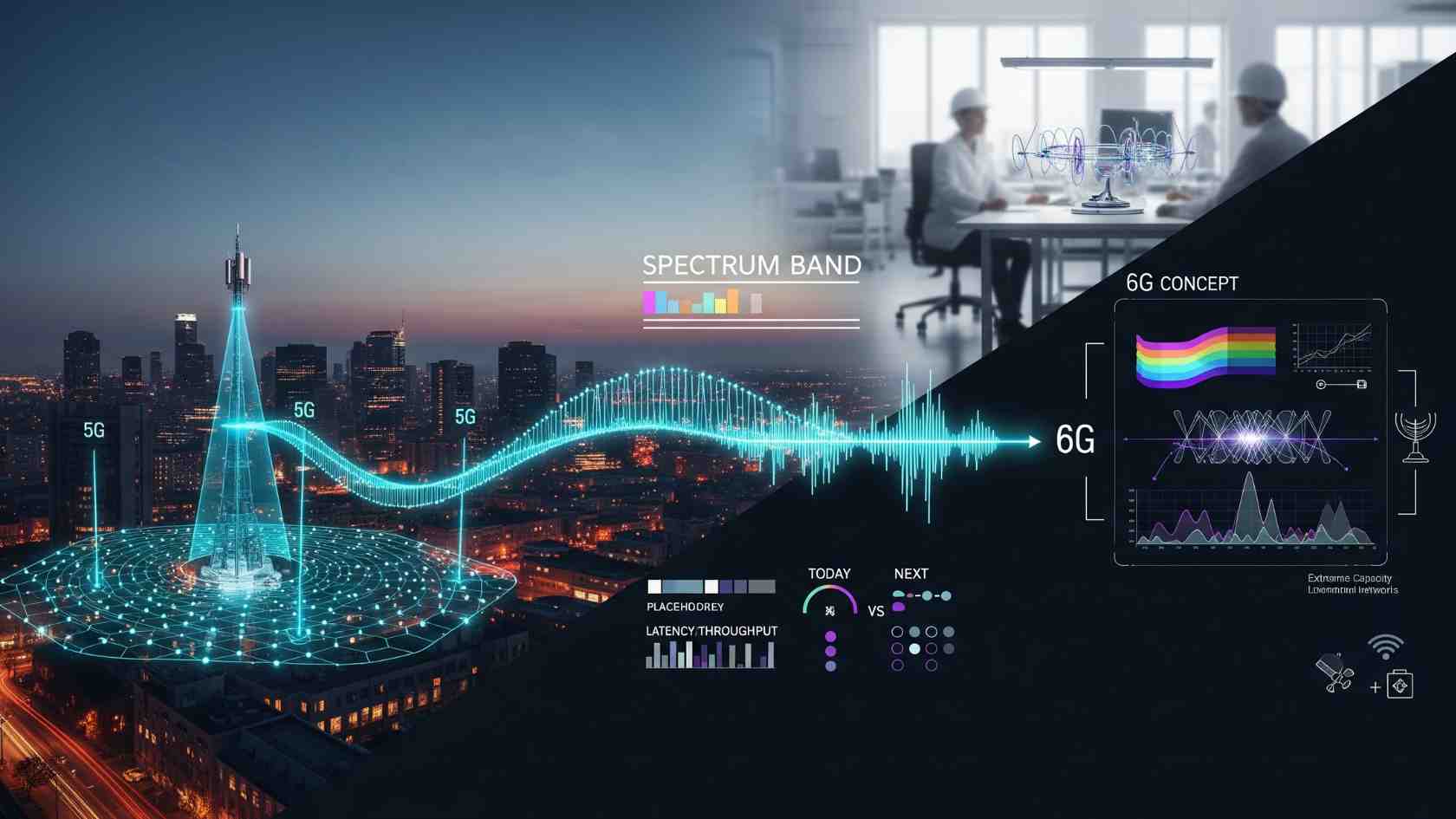
The best thing about the digital transformation is connectivity. Today, the norm is 5G in 2026, and backing it are smart cities, next-gen IoT networks, and AR/VR experiences.
Currently, studies on 6G are gaining speed in South Korea, China, and the U.S., along with other countries, with exciting possibilities of even lower latency and revolutionary applications in artificial intelligence, holography, and near-real-time global communication.
5. Quantum Computing: The New Frontier
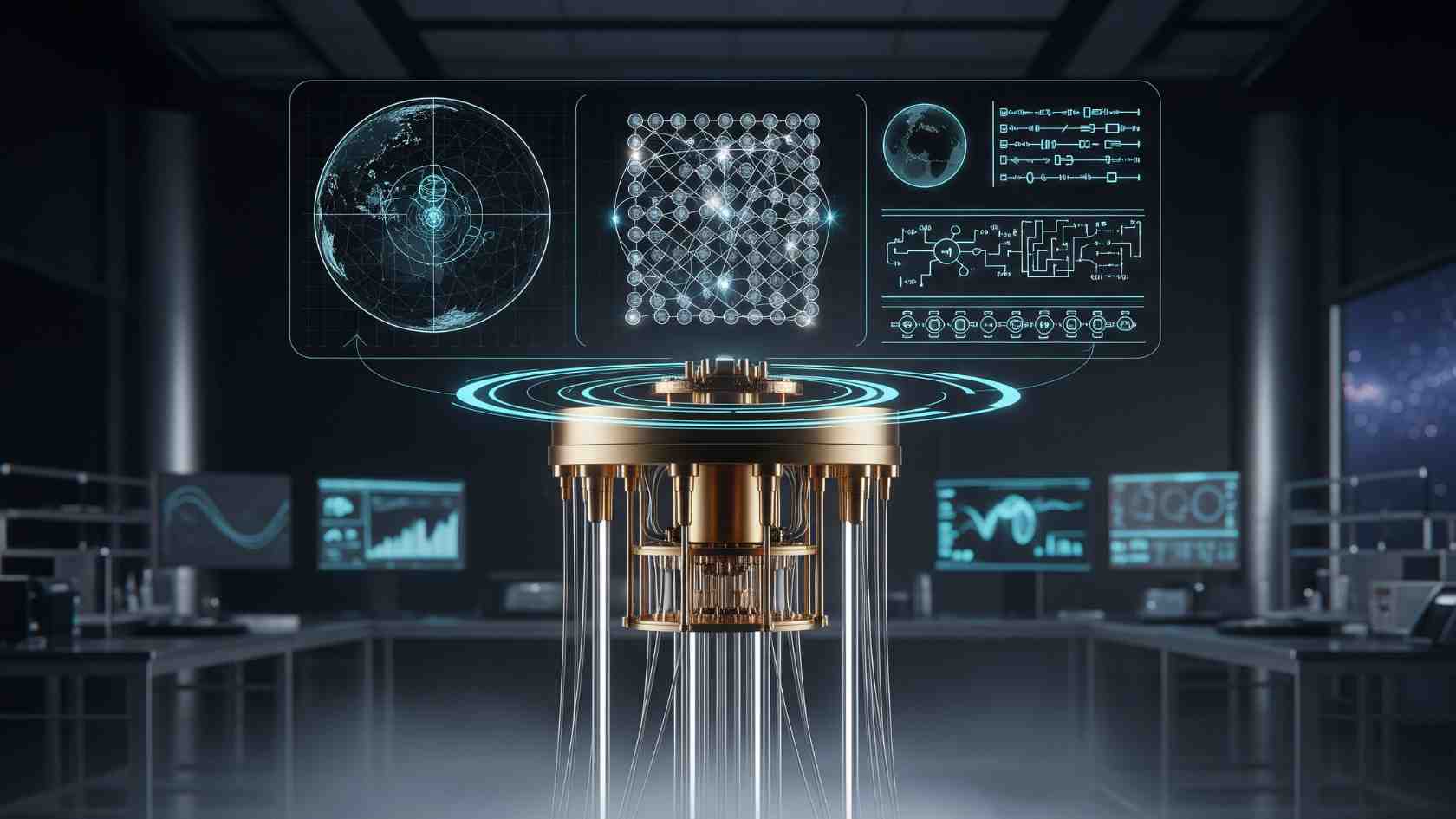
In the current year, quantum computing is transitioning from the laboratory into rapid adoption. In 2026, it will have addressed issues that current systems are incapable of managing.
Applications are:
- Rapid drug discovery in biotechnology.
- Improving climate modelling for sustainability.
- Enhancing supply chains and logistics at an unprecedented scale.
Though costly and complicated, innovators of the application of quantum technology will most likely dominate markets where speed and precision are of utmost value.
6. Extended Reality: AR, VR, and the Metaverse
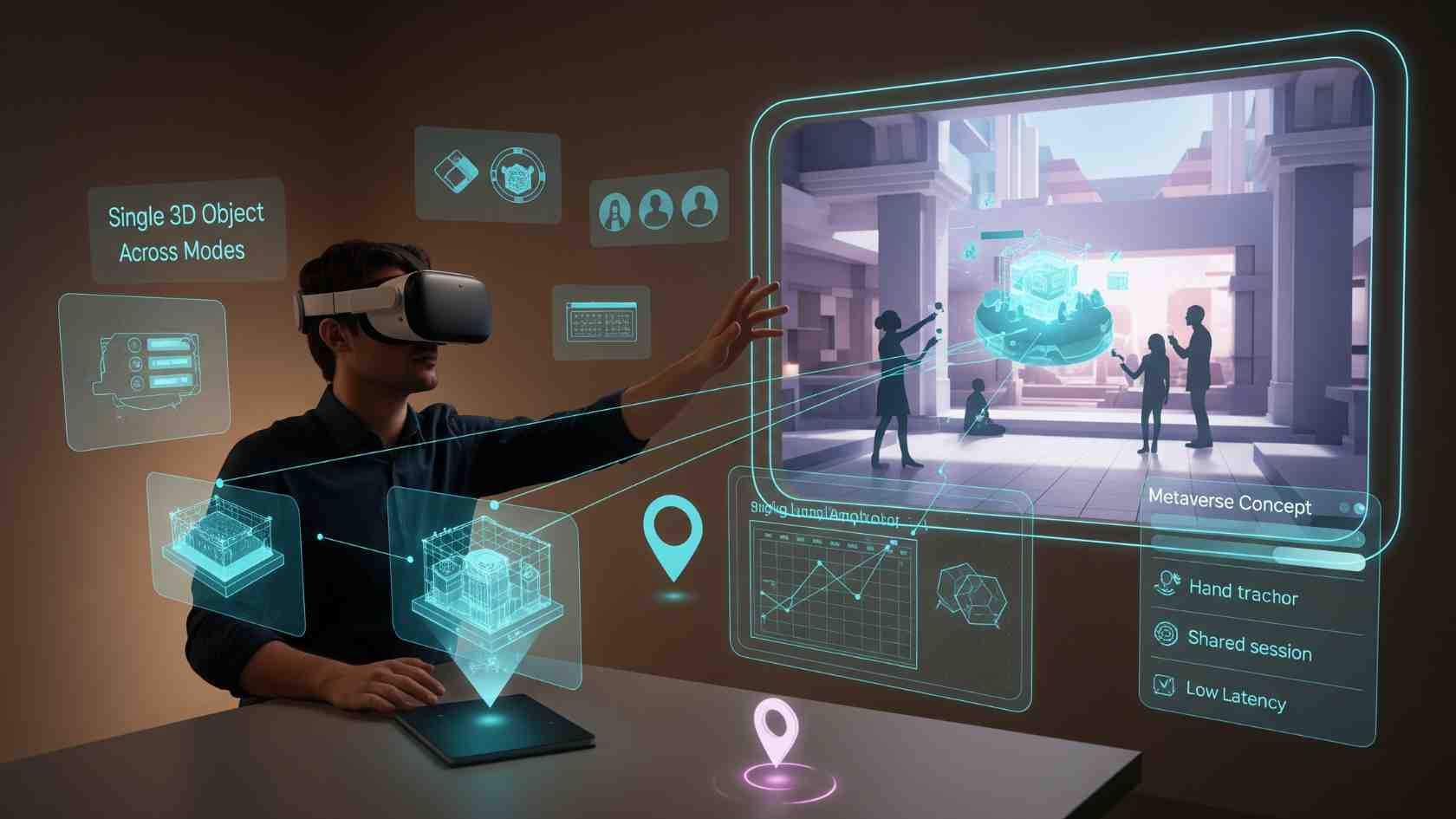
Virtual reality is no longer confined to gaming. AR and VR technologies will be extensively applied in education, consumer retailing, and vocational education by 2026.
e.g.
- Most students participate in interactive practical classrooms.
- Customers are testing products before buying, using AR.
- Today, surgeons perform surgeries using VR simulation.
Currently, the metaverse is being used as a platform for shopping, collaboration, and entertainment. In spite of regulatory and access problems, brands continue to invest significantly in it.
7. Robotics and Automation
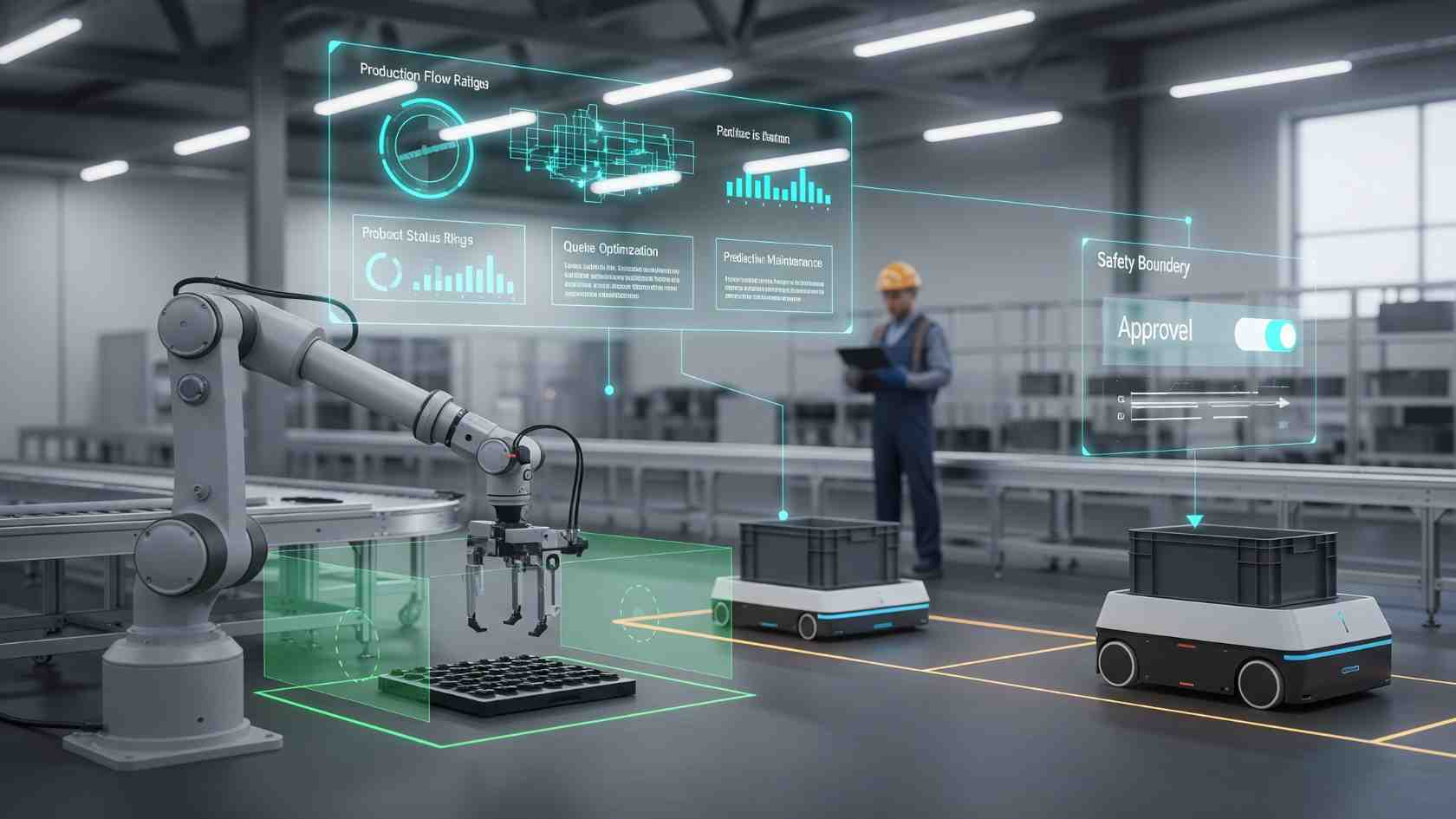
Robotics today is an indispensable part of manufacturing, logistics, and even medical science. Robots perform repetitive as well as non-repetitive work with precision. Robots used alongside people are defined as collaborative robots, or cobots, and are gaining immense popularity.
In modern business, corporations are employing drones for expedient delivery, and hospitals are employing surgical robots for precision. Robot-assisted surgeries are minimizing recovery time and enhancing outcomes in hospitals. To business leaders faced with labour shortages, robotics is a viable option for maintaining business and keeping pace with orders.
8. Internet of Things (IoT) and Smart Running Devices
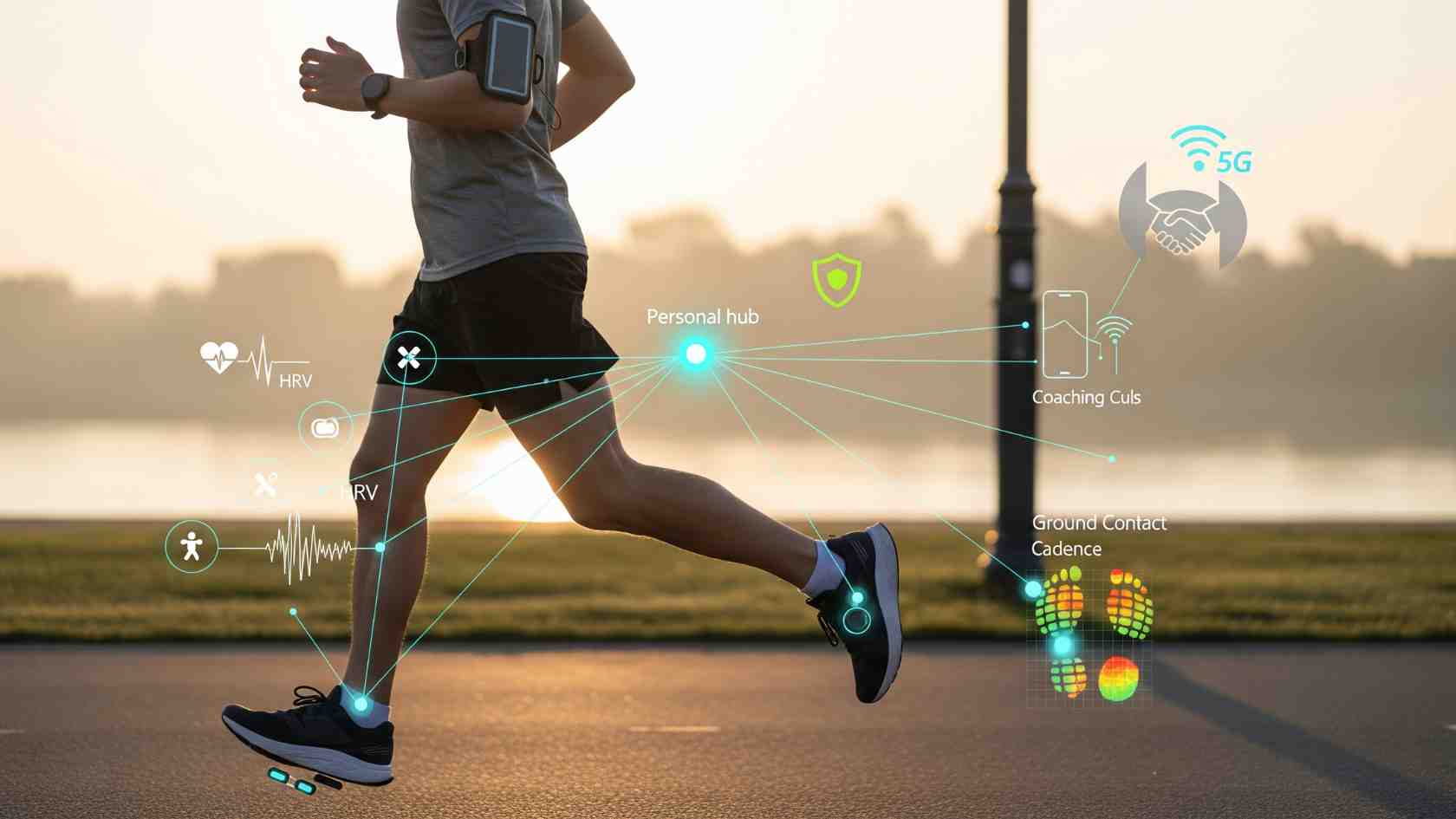
Today, the Internet of Things (IoT) keeps expanding, with billions of devices now interconnected. Smarter buildings, hospital wearables, and factory sensors generate massive datasets, so organizations are better equipped to make informed decisions.
For instance, manufacturers mostly employ IoT devices for monitoring equipment, downtime reduction, and manufacturing. Urban centres utilize traffic systems driven by IoT for greater mobility and less air pollution. Hospitals apply networked devices for tracking patients, telemedicine, and preventive medicine.
Even with security and privacy concerns remaining, IoT is definitely transforming daily life and business operations across the globe.
Also Read: 10 Low-Cost Startup Ideas You Can Launch in 2026
Conclusion
The next-gen trends of the 2026 exhibition reveal the ways innovation is driving industry-wide digital transformation across the globe. AI, cloud computing, IoT, quantum computing, and green technologies are no longer “possibilities of the future” but present realities.
And those businesses that squeeze out such technologies won’t just survive but will lead the march in shaping the digital-first future. Success lies indeed in agility, trust, and readiness for change before competition. Moreover, those businesses that are quick in adapting, are security-oriented, and invest in modern technologies, won’t just find success but will set the pace in shaping the next age of digitization.
Frequently asked questions
Q1. What are the key emerging trends in technology in 2026?
A: The top future trends in 2026 are artificial intelligence (AI), machine learning, green IT (environmentally friendly technology), growth of 5G, development of 6G, quantum computing, extended reality (AR/VR), IoT, robots, and sophisticated cybersecurity.
Q2. Artificial intelligence will change what by 2026?
A: There is no contention that after the digital transformation of 2026, the most powerful enabler will be artificial intelligence (AI). Personalized customer experience, automation, fraud detection, and generative AI applications, including content development, designs, and software development, will be revolutionized through AI.
Q3. Why is cybersecurity important in today’s digital world?
A: Due to increasing cybersecurity threats, corporations are employing zero-trust architecture, AI-based threat detection, and blockchain-based security tools to secure their data and build customer trust.